Architectural UX: Building Digital Monoliths
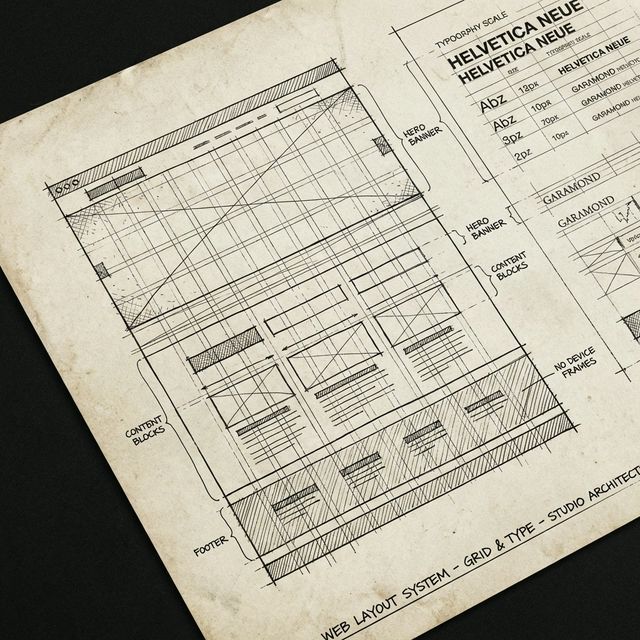
The web is often designed as a collection of thin layers—cards, popups, and translucent panels. But what if we treated our interfaces like Monoliths? Drawing from brutalist architecture and structural engineering, we can build digital spaces that feel heavy, permanent, and grounded.
The Power of Scale
In architecture, scale is used to create awe. In UX, we can use extreme white space (the “void”) and massive typography to achieve the same effect. A footer shouldn’t just be a list of links; it should be a 100vh foundation—a monolithic base that anchors the entire site journey.
“WE DON'T JUST BUILD INTERFACES; WE ASSEMBLE DIGITAL MONOLITHS WITH STRUCTURAL INTEGRITY.”// ELGAMMAL // BRAND_HEAD
Structural Integrity in Code
Building a monolith requires a robust CSS architecture. We don’t just write styles; we engineer systems.
STRUCTURAL SPECIFICATIONS
- The Technical Grid: Using CSS Grid to create 50px increments allows us to align elements with the precision of a blueprint.
- Elevation through Grit: Instead of generic box-shadows, we use subtle gradients and technical patterns (the “grit”) to give digital planes a sense of material substance.
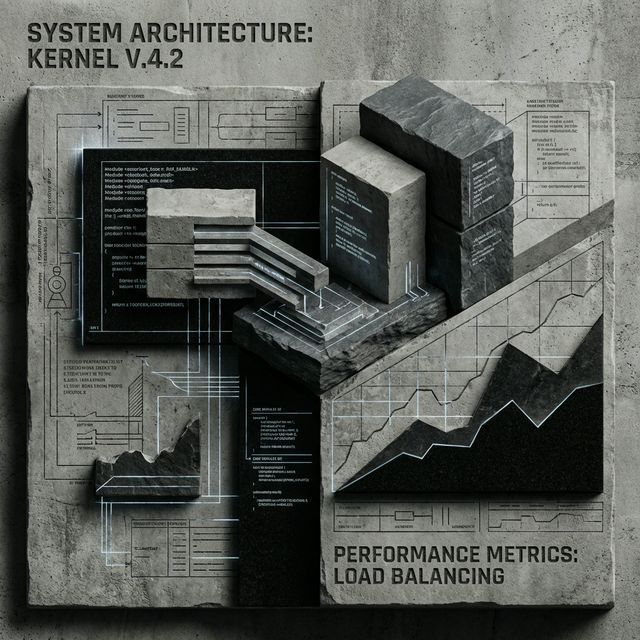
Conclusion: The Immersive Monolith
An architectural UX isn’t about being “user-friendly” in the generic sense—it’s about being immersive. It’s about building a digital environment that has presence, grit, and a lasting structural impact on the user’s memory.